
Fort Worth's data center advisory commission has finished its work. On Nov. 10, 2026, the Fort Worth Data Center & Infrastructure Commission sent its final report to City Council. The report makes 19 recommendations on how the city should handle large data center campuses. They include requiring closed-loop cooling that does not evaporate water, a written water-impact statement for each facility, a standard technical fact sheet for companies seeking large-load incentives, and new zoning standards built around a 350-foot "Neighbor Protection Distance."
The report does not change any city rules. The commission was set up to study the issue and advise. The report says it functions in a study capacity only, with no independent decision-making authority. The council is separately considering a moratorium on data center development, and that measure had not been adopted as of the city's latest page we could read.
Who Wrote the Report
The commission was created under Resolution 26-6364, which the council adopted on Aug. 11, 2026, according to the final report. It is chaired by Michael Slattery, Ph.D., of Texas Christian University, who is a non-voting chair. The report's vote table shows 11 voting commissioners.
A Sept. 3 Fort Worth Star-Telegram report, republished by GovTech, said council member Jeanette Martinez proposed the 11-member body. Its members include academics, data center and real estate experts, vocal residents, and organizations. QTS, a data center developer active in the Metroplex, is a member, according to that report. At the time, the commission was scheduled to brief the council on Nov. 3, days before a possible first hearing on the moratorium.
The report says its research supports neither alarm nor reassurance about data centers in general. Its position is that a data center's effects depend on the specific facility, how it is designed and where it is built.
What the 19 Recommendations Do
The report sorts its recommendations into four pillars: electricity, water, land use and neighborhood impacts, and economics. It also groups them by how far they depart from current policy:
- Eight continue current city practice.
- Five build on proposals that city staff presented on June 2.
- Six are new.
Water
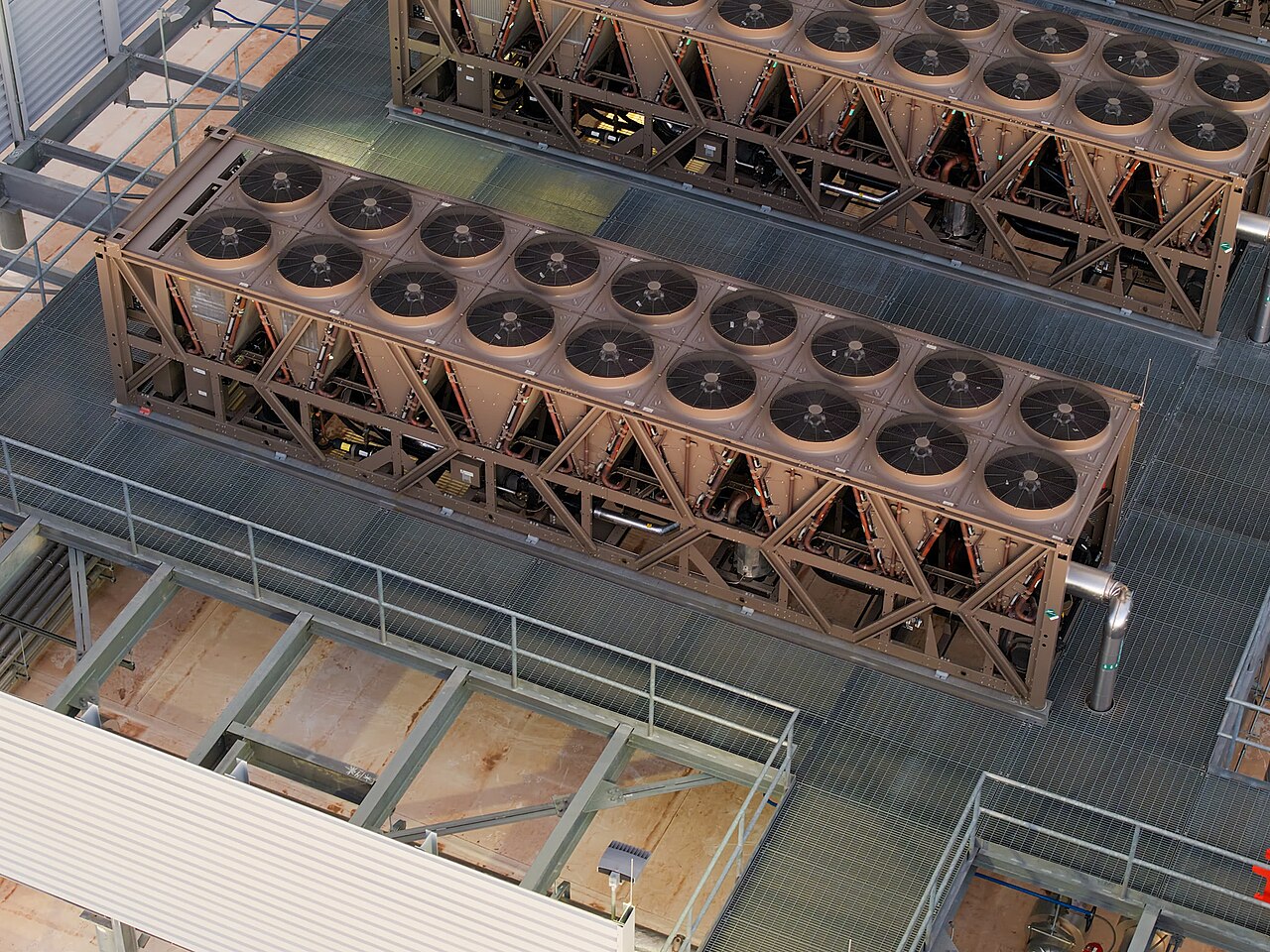
The main water recommendation is to require non-evaporative, closed-loop technology. The report allows one exception: supplemental adiabatic cooling, which uses some evaporation, is permissible if it is supplied from on-site stored water and without additional water-service capacity. The commission also recommends a facility-level water-impact statement before the city approves water service or an incentive, so the city can review a proposed campus's water demand project by project.
The report gives figures on the city's water system. It says Fort Worth reported 517 million gallons per day (MGD) of treatment capacity and a maximum-day demand of 342.49 MGD in fiscal year 2025. The commission adds a caution: that margin is not water available for data centers, because regional supply, conveyance and local distribution also limit what can be served. Readers should not treat the difference as spare supply waiting for new industrial users.
The report also says the city's Aug. 11, 2026 Installation Policy and Design Criteria for Water, Wastewater, and Reclaimed Water Infrastructure already calls for closed-loop cooling for new data centers in the Fort Worth Water service area, though it adds that public information about the adopted language is unclear on exactly which cooling types are permitted. The commission's recommendation addresses that same area of policy.
Land Use, Noise and Light
The land-use pillar recommends data-center zoning supplemental standards built around a 350-foot Neighbor Protection Distance between data centers and sensitive receptors, increased for taller buildings. This pillar also recommends an acoustic assessment, performance, verification and enforcement framework for noise. On light, the report recommends maintaining the city's existing zero-foot-candle standard for data centers and adding plan review and an objective measure of field verification.
On the zoning track, the city webpage says that on July 8, city staff presented zoning ordinance amendments to the Zoning Commission, which supported stronger regulations but reached no consensus on the amendments and voted 7-4 for denial.
Large Loads and Incentives
The report recommends a standardized technical fact sheet from large-load applicants for city incentives, scaled to project size. The report places this in the context of Texas Senate Bill 6 (2025), which it says defines a "large load" as more than 75 megawatts, although the Public Utility Commission of Texas may lower that threshold.
Where Members Split
Most recommendations passed 11-0, according to the vote table in the report. Several did not:
- Pillar 2, Recommendation 5, on submetering and facility-level reporting: 9-2.
- Pillar 3, Recommendation 1, the zoning standards with the 350-foot Neighbor Protection Distance: 10-1.
- Pillar 3, Recommendations 7 and 8: 10-1 each.
- Pillar 4, Recommendation 2: 9-2.
- Pillar 4, Recommendation 3: 10-1.
The vote table records how many commissioners agreed and disagreed on each recommendation. No recommendation drew more than two "disagree" votes.
How This Fits With the Moratorium
Two things are moving on parallel tracks: the commission's recommendations and the proposed moratorium. The city webpage, in a snapshot captured Oct. 7, 2026, lists these key dates:
- June 2: Proposed regulations and policy amendments presented to City Council.
- July 8: The Zoning Commission votes 7-4 for denial of the zoning ordinance amendments.
- Aug. 11: The council moves forward several actions, including initiating the process for a 90-day moratorium, establishing the commission and adopting an application requirement for data centers.
- Nov. 10: A special called work session at 4 p.m. for the commission's report, and a 6 p.m. council meeting with the first public hearing of the legal process to enact a moratorium. That snapshot lists both as scheduled; the commission's report itself is dated Nov. 10.
The city page says the moratorium requires a supermajority of the council to approve and begin the initial 90-day term. Under the report, the commission's recommendations are advisory and fall within the city's authority to adopt; any of the 19 would have to be taken up by the council to take effect.
A caveat about this source: the city's current page blocked direct access, so DataCenterFeed read an Internet Archive snapshot of the page from Oct. 7, 2026. It predates the Nov. 10 events, so it shows the schedule as planned and may have since been updated.
What Happens Next
The city page, as of the Oct. 7 snapshot, says that after the first public hearing the city must complete the additional public notices, hearings and ordinance readings required under state law before voting on adoption of the moratorium, which was tentatively set for Feb. 16, 2027. The page says the city may not impose another data center moratorium for two years if one is adopted. Separately, the council can choose which, if any, of the commission's 19 recommendations to take up. None of them takes effect unless the council acts.
Sources
- Fort Worth Data Center & Infrastructure Commission Final Report and Recommendations to City Council (Nov. 10, 2026; hosted by Fort Worth Report)
- City of Fort Worth: Data Centers (Internet Archive snapshot, Oct. 7, 2026)
- Fort Worth, Texas, Data Center Advisory Group Takes Shape (GovTech / Fort Worth Star-Telegram, Sept. 3, 2026)
