
Arizona Public Service expects the electricity it sells to roughly double over the next 15 years. Its plan to meet that demand combines new solar and batteries with several thousand megawatts of new natural gas. It also runs a coal plant years longer than previously planned.
The utility filed its 2026 Integrated Resource Plan (IRP) with the Arizona Corporation Commission (ACC) on Oct. 30, according to Utility Dive. APS announced the filing in a Nov. 2 press release. Its parent company, Pinnacle West Capital Corp., covered the plan in third-quarter earnings materials filed with the SEC on Nov. 3. Those materials say large manufacturing and data centers account for most of the new load.
APS files a resource plan every three years, and each one covers 15 years, according to the company's release. APS describes the IRP as "a guide, not a fixed blueprint," with near-term actions reflecting greater certainty than resources planned for later years. It sets out how the utility expects to meet projected demand.
How Much Demand APS Is Planning For
APS says it expects peak demand to exceed 14,500 MW in 2041, a 3.4% annual growth rate. Utility Dive adds that the 3.4% figure is calculated after accounting for customer resources such as demand-side management. For comparison, the utility says it set a record peak of 9,166 MW on Aug. 2, 2026.
Annual energy sales are projected to grow faster than peak demand. APS says retail sales will reach about 80,600 GWh in 2041, up from about 34,200 GWh in 2025, or 5% annual growth. Pinnacle West's investor presentation describes the change in similar terms. It says electricity needs are projected to "more than double" by 2041 and that retail demand will rise by about 42,000 GWh over that period.
The investor materials say manufacturing and data centers "drive majority of incremental load."
Some of that growth is already showing up. Pinnacle West's 2026 guidance calls for weather-normalized retail sales growth of 8.0% to 10.0%. It says 5.0 to 7.0 percentage points of that will come from new large manufacturing customers and several large data centers. The company forecasts retail customer growth of 1.5% to 2.5%.
What APS Proposes to Build
Pinnacle West's presentation says the IRP's Preferred Portfolio identifies about 15 GW of new resources and about 2.6 GW of new transmission. Utility Dive's reporting on the filing breaks down the main pieces:
- Solar and storage: 2,000 MW of solar and 2,500 MW of storage online by 2029, according to Utility Dive. In its own release, APS says it plans about 6,000 MW of battery storage by 2030.
- Gas: 4,000 MW of gas generation through 2036, according to Utility Dive. The article also cites the IRP for 1,107 MW from new combustion turbines at existing APS sites and uprates to tolling units during 2026-2030.
- Cholla conversion: The Cholla plant would be repowered as a 387-MW facility by 2030, Utility Dive reports. APS's release describes it as the conversion of the retired Cholla plant from a coal-burning resource.
- Desert Sun: A 1,238-MW combined-cycle plant called Desert Sun would come online in 2032. Utility Dive reports that it is meant to serve subscription load from large customers. Pinnacle West's presentation lists the plant at about 1,280 MW, also for 2032.
- Saguaro: APS's release lists an expansion at the Saguaro plant among its gas additions. Pinnacle West's presentation cites about 720 MW at Saguaro in 2030.
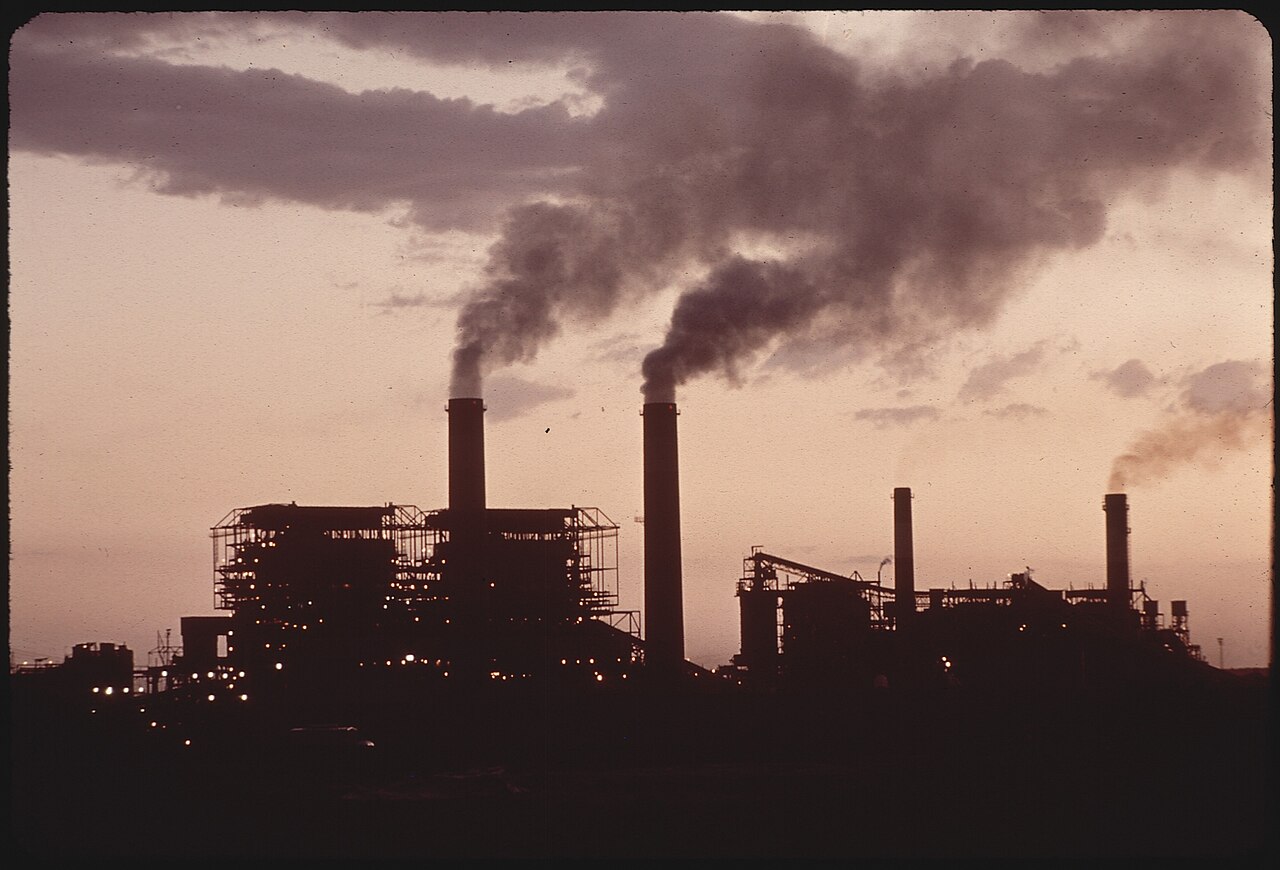
The plan would also keep the Four Corners coal plant running past 2031. Utility Dive reports that operations could continue to as late as 2038. APS says running Four Corners beyond 2031 could save customers close to $1 billion compared with replacing the plant with new resources. APS says it will continue to evaluate when to cease operations between 2031 and 2038, depending on customer needs, economics and other factors.
"Reliability is nonnegotiable," Mike Eugenis, APS director of resource planning, said in the company's release.
Who Pays for Large-Load Growth
APS says "growth will pay for growth." In its release, the utility says data centers and other large customers will be responsible for the costs and risks they bring, rather than passing them to other ratepayers.
The filing also names a specific risk: demand that is forecast but never shows up. Utility Dive reports that APS cites "sustained record levels of interest" from large customers as a source of risk from unrealized loads.
According to Utility Dive, APS's protections for large-load contracts include:
- Minimum demand and energy terms, which commit large customers to pay for a set level of service whether or not they use it.
- Collateral requirements.
- Early exit fees.
The Desert Sun plant's link to large-customer subscription load fits the same approach. Under that structure, at least one major generation addition is tied directly to the large customers driving the need for it.
Criticism From Environmental and Clean Energy Groups
Not everyone supports the plan. Utility Dive reports that Sandy Bahr of the Sierra Club's Grand Canyon Chapter and Kate Bowman of Vote Solar both criticized it. Bahr said the proposal "further delays our move from gas and coal to solar and wind." Bowman said APS "failed to consider how alternative technologies like rooftop solar, battery storage, and other distributed resources could help meet energy needs." APS says the plan is built around reliability and affordability.
Why It Matters Beyond Arizona
APS's filing puts data center and manufacturing growth into a formal long-range plan. The plan attaches numbers to that growth: about 15 GW of new resources, about 2.6 GW of new transmission capacity, and a coal retirement that could be pushed back by up to seven years.
For communities near proposed campuses, the plan ties large-load growth to generation and transmission decisions across APS's system. For developers, the contract terms APS describes (minimum demand, collateral and exit fees) align with a utility asking large loads to carry their own risk.
What Happens Next
The IRP now goes to the Arizona Corporation Commission for review. None of the sources reviewed for this article give a hearing date, a comment deadline or a schedule for that review. DataCenterFeed will report those dates once the commission sets them.
Sources
- Pinnacle West Capital Corp. Form 8-K, Q3 2026 earnings materials (SEC, Nov. 3, 2026)
- APS Prioritizes Reliability, Affordability in 2026 Integrated Resource Plan (APS Business Wire release, Nov. 2, 2026, via mirror)
- APS expects sales to double by 2041, plans extending coal use to 2038 (Utility Dive, Nov. 4, 2026)
