
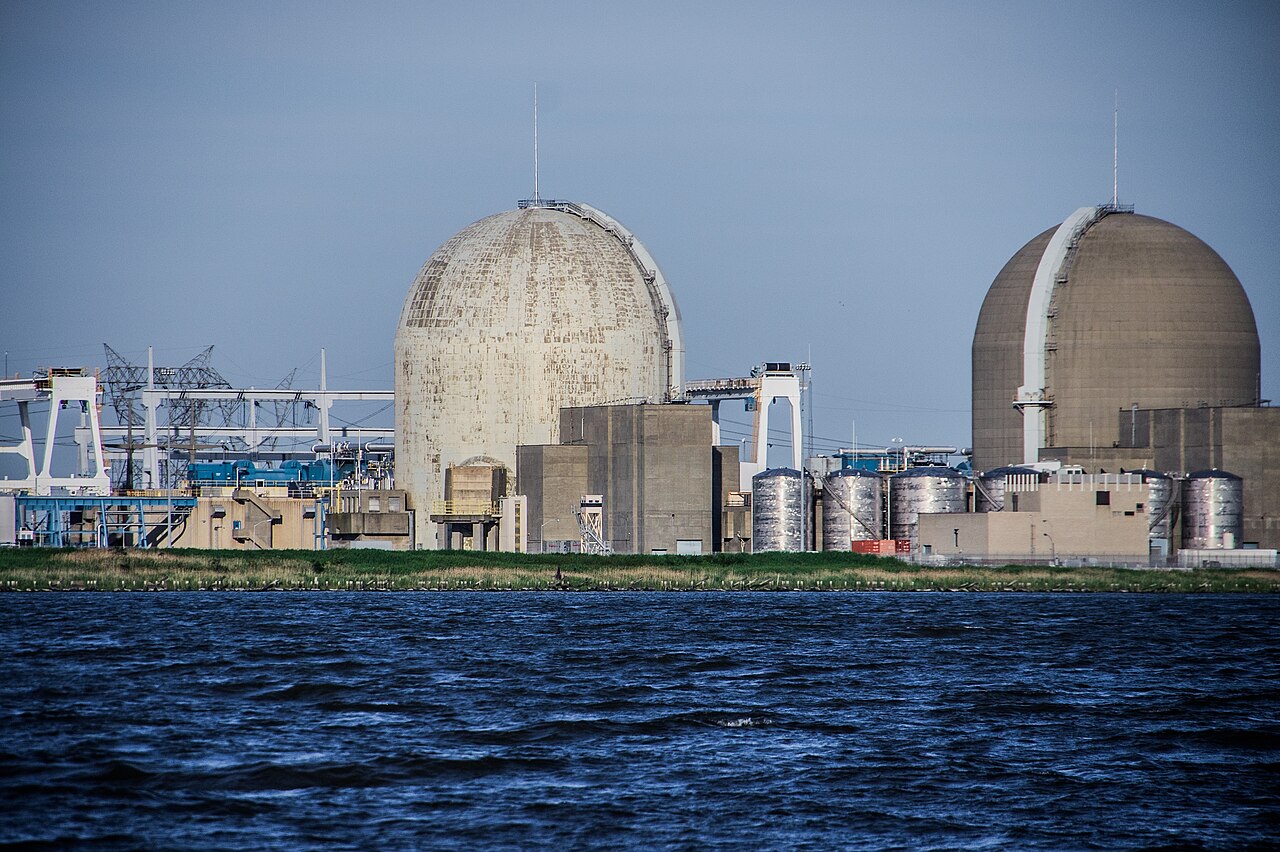
Public Service Enterprise Group (PSEG) is moving ahead with plans to get more output from its New Jersey nuclear fleet and to sell some of that output directly to data centers and other large electricity users. At the same time, one of its reactors faces an inspection problem that will keep it offline longer than planned.
PSEG's third-quarter 2026 earnings slides, released Nov. 2, say the company is "developing capacity uprate at Salem ~200 MW total (~112 MW PS-share)." Salem is jointly owned. Utility Dive reported that PSEG Power and Constellation are planning the uprate together, with PSEG holding 112 MW and Constellation the rest. The sources do not give an in-service date.
PSEG's Form 10-Q for the quarter ended Sept. 30 describes the work as planned power uprates at Salem 1 and 2, backed by the clean energy production tax credit (PTC).
Selling Nuclear Output to Large Loads
The uprate is one part of a wider effort to sign up large-load customers. Utility Dive puts PSEG Power's nuclear fleet at roughly 3.8 GW. On the earnings call, CEO Ralph LaRossa said the company is working out terms with large-load entities on contracts that could cover output from its existing nuclear plants, future uprates and other generation, Utility Dive reported. He compared these to recent power purchase agreements in PJM and New Jersey.
The webcast slides describe the opportunity as "optionality around data centers/large load customers and PPAs at premium pricing to PTC." In other words, PSEG points to contracts priced above the level the production tax credit supports. The same slides say PSEG has "submitted proposals into PJM RBP process." The materials do not say what those proposals cover or what size they are.
The slides also list the average PJM capacity prices PSEG reports for its fleet: $329 per MW-day for June 2026 through May 2027, $333 for June 2027 through May 2028, and $325 for June 2028 through May 2029. PSEG says over 95% of its expected 2026 nuclear output is already hedged.
FERC, PJM and the States
LaRossa also spoke about the Federal Energy Regulatory Commission's recent decision on PJM's plan for connecting large loads. According to Utility Dive, he said FERC's rejection of key portions of that plan "reinforces that the focus has shifted to the states to address retail curtailment and cost issues associated with large load customers." For a company whose utility and generation businesses both sit in New Jersey, that puts state regulators at the center of how data center demand gets handled.
The 10-Q says PSEG's utility subsidiary, PSE&G, anticipates filing by year-end 2026 to address regulatory lag on capital investments made since its last distribution rate case. Utility Dive, citing LaRossa, reported that the proposal would go to the New Jersey Board of Public Utilities (BPU) for approval.
Salem 1: Thermal Shield Degradation Extends Refueling Outage
The quarterly filing also disclosed an operating problem. According to the 10-Q, a visual inspection in October 2026, during Salem 1's scheduled refueling outage, found degradation of the thermal shield inside the reactor vessel. PSEG said it has started further testing, which is ongoing and is expected to extend the outage. PSEG says the impact will depend on the timing and results of the inspection and necessary repairs. The sources give no estimate of how long the outage will last or what it will cost.
Salem 1 is one of the two units PSEG named in its 10-Q description of planned uprates. The sources do not say whether the outage affects the uprate schedule.
Fleet Performance and License Extensions
The slides report a 95.5% nuclear capacity factor in the third quarter, up from 92.4% a year earlier, and 94.3% for the first nine months of 2026, compared with 93.7% for the same period in 2025. The 10-Q says the nuclear units generated approximately 23.9 terawatt hours over those nine months.
The slides also say PSEG has notified the Nuclear Regulatory Commission (NRC) of its intention to file for 20-year extensions of operating licenses. The 10-Q says PSEG Power revised the estimated useful lives of Salem 1, Salem 2 and Hope Creek, its other New Jersey nuclear plant, based on its expectation that a 20-year license extension will be approved for those facilities.
The Quarter in Numbers
Utility Dive reported that PSEG's third-quarter income was $376 million, or $0.76 per share, down from $622 million, or $1.25 per share, a year earlier. It attributed the decline mainly to mark-to-market losses at PSEG Power. Revenue was $3 billion, compared with $3.2 billion in the prior-year quarter.
What Happens Next
The only dated step in the sources is PSE&G's anticipated filing by year-end 2026, which the 10-Q describes as aimed at regulatory lag on investments made since its last distribution rate case. On Salem 1, the 10-Q says testing of the thermal shield continues and is expected to extend the refueling outage; the sources give no restart date. PSEG has notified the NRC of its intention to file for 20-year license extensions, and the slides say its proposals in the PJM RBP process have been submitted. The sources give no schedule for a decision on either one, and none for the Salem uprate or any large-load contract.
