
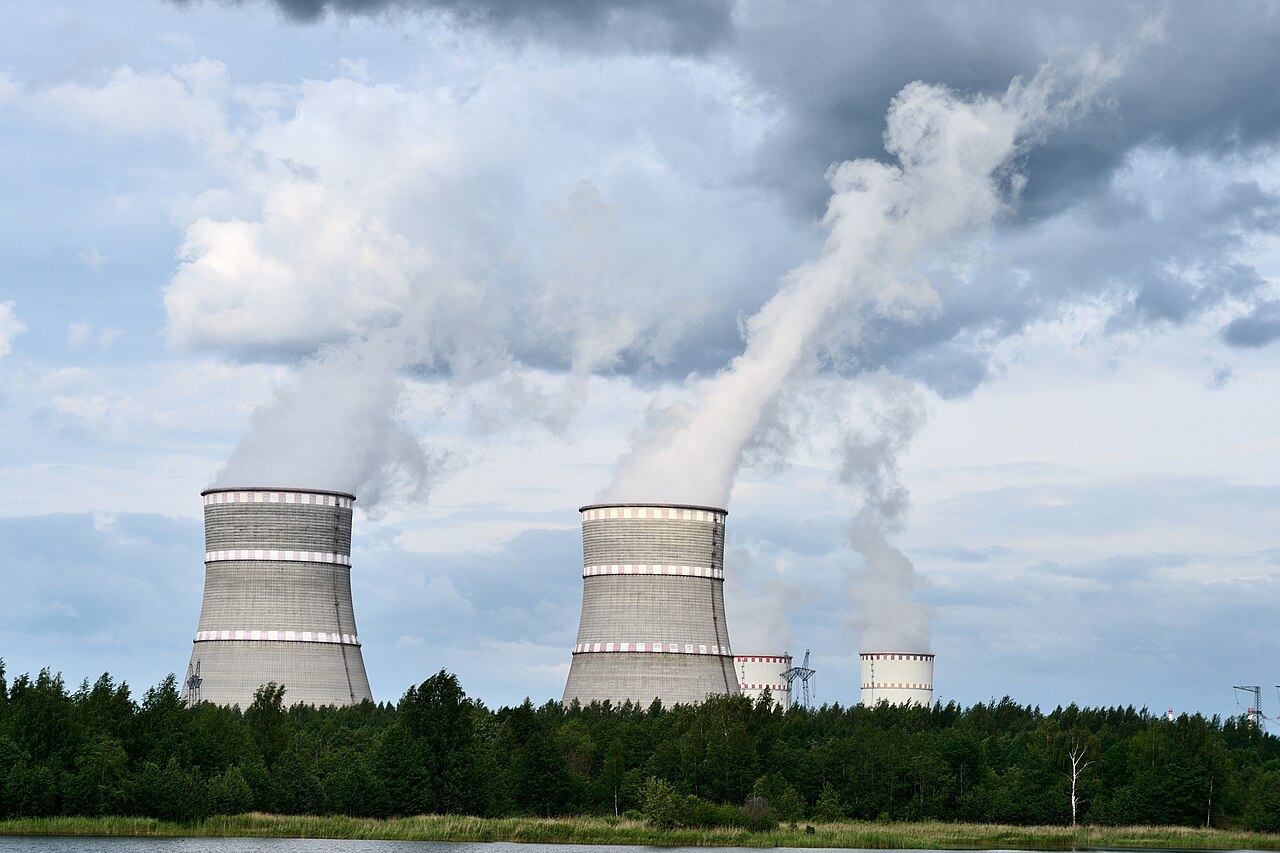
The U.S. Department of Energy on Oct. 27 announced a conditional loan commitment of up to $5 billion to Constellation to pay for nuclear uprates and modernization at eight plants in Illinois, Maryland and Pennsylvania. According to DOE's announcement, the work would add nearly 1.1 gigawatts of generating capacity in the PJM and MISO grid regions.
Constellation links its planned investment to agreements with large technology buyers. In its own release, the company said recent 20-year agreements with Google and Amazon have incentivized it to invest more than $7 billion to add about 1,080 megawatts of nuclear capacity.
The offer is not a closed loan. Both DOE and Constellation call it conditional, and Constellation says it is not, by itself, a final decision to go ahead with any single uprate. The questions below cover what was announced, what has not been decided yet, and how the deal fits with DOE's other recent power-sector lending.
What exactly did DOE announce?
DOE says its Office of Energy Dominance Financing has offered Constellation a conditional commitment of up to $5 billion. The money would finance uprates and modernization across Constellation's fleet at these plants:
- Illinois: Braidwood, Byron, Clinton, Dresden, LaSalle and Quad Cities
- Maryland: Calvert Cliffs
- Pennsylvania: Limerick
DOE says the added capacity of nearly 1.1 GW is enough to power more than 930,000 homes and would support more than 10,000 project-related jobs. Both figures come from the department's release. Constellation did not give separate home or job counts in the material reviewed for this article.
The release quotes Energy Secretary Chris Wright and EDF Director Gregory A. Beard on the commitment.
What is an uprate, and why does it matter for data center load?
An uprate raises the power output of a reactor that is already running. It does not involve building a new plant. The Constellation program is a set of capacity additions at eight existing sites, which DOE places in the PJM and MISO regions.
That matters for data center buyers. Constellation links its uprate spending to long-term contracts with large customers. The company says the Google and Amazon agreements, each with a 20-year term, have incentivized it to commit more than $7 billion to about 1,080 MW of new nuclear capacity. It also says a separate agreement with Meta supports a 30-MW expansion at the Clinton plant in Illinois.
In Constellation's release, CEO Joe Dominguez is quoted on the value of pairing private demand with federal financing to expand output.
How do the DOE and Constellation figures relate?
The two releases measure related but different things, so readers should keep them apart:
- Up to $5 billion: the maximum size of DOE's conditional loan commitment, per DOE.
- More than $7 billion: the investment Constellation says the Google and Amazon agreements have incentivized it to make to add about 1,080 MW.
- Nearly 1.1 GW: the capacity DOE says the financed uprates would add across PJM and MISO.
- 30 MW: the Clinton expansion that Constellation says its Meta agreement supports.
Neither release, as summarized here, explains how the federal loan would be divided among the eight plants. Neither says what share of the more than $7 billion the loan would cover. DOE does say the commitment includes an option to finance future uprate projects at additional Constellation facilities.
Is this money committed?
No, not yet. Constellation says the commitment is subject to completion of due diligence, negotiation of definitive financing documents and satisfaction of applicable conditions. DOE says Constellation must satisfy certain technical, legal, environmental and financial conditions before the department enters into definitive financing documents and funds the loan; Utility Dive repeated that language.
Constellation is also clear that the commitment "does not, by itself, represent a final Constellation decision to proceed with any individual uprate or at every facility under consideration." Even if the financing closes, each project still needs its own go-ahead from the company.
How does this fit DOE's nuclear policy goals?
DOE presents the loan as advancing the executive order "Reinvigorating the Nuclear Industrial Base," which calls for DOE to facilitate 5 GW of power uprates from existing nuclear reactors. The department says that, to date, 95% of the 5-GW uprate and restart goal has been identified. DOE's release, as summarized here, does not list the projects that make up the rest of that total.
What else did DOE announce this week?
The Constellation offer was one of two large DOE power-sector loan announcements in two days. Utility Dive reported that DOE announced $10.1 billion in total loans and loan guarantees to Constellation and Alliant, aiming to support 3.7 GW of capacity.
The Alliant financing has a different status. According to Utility Dive, EDF said on Wednesday, Oct. 28, that it closed two loans totaling $5.1 billion to Alliant Energy. Citing an Alliant SEC filing, the outlet reported that about $1.6 billion is for Wisconsin Power & Light and about $3.5 billion for Interstate Power and Light. DOE said the funds will help add more than 2.6 GW of new or upgraded generation capacity in Iowa and Wisconsin, through new natural gas-fired power plants, energy storage systems and upgrades to existing generation facilities.
Utility Dive also linked to its Oct. 6 report that DOE intends to loan Vistra $4.2 billion for improvements to its nuclear fleet.
Taken together, the announcements show DOE directing federal credit toward capacity additions by existing utilities and power producers, alongside the long-term contracts with Google, Amazon and Meta that Constellation cites.
What Happens Next
The next formal step is converting the conditional commitment into definitive financing documents. Constellation says that requires completing due diligence and negotiating the documents and their conditions. DOE says technical, legal, environmental and financial conditions must be satisfied first. Neither DOE nor Constellation, in the material reviewed, gave a date for closing. Constellation says the conditional commitment is not, by itself, a decision to proceed with any individual uprate.
Sources
- Energy Department Announces $5 Billion Loan to Boost Nuclear Power and Help Lower Costs in Illinois, Maryland, and Pennsylvania (U.S. Department of Energy, Oct. 27, 2026)
- Constellation Secures Conditional DOE Loan Commitment of Up to $5 Billion to Expand Nuclear Output (Constellation, Oct. 27, 2026)
- DOE announces $10.1B in loans to Constellation, Alliant, for 3.7 GW (Utility Dive, Oct. 28, 2026)
