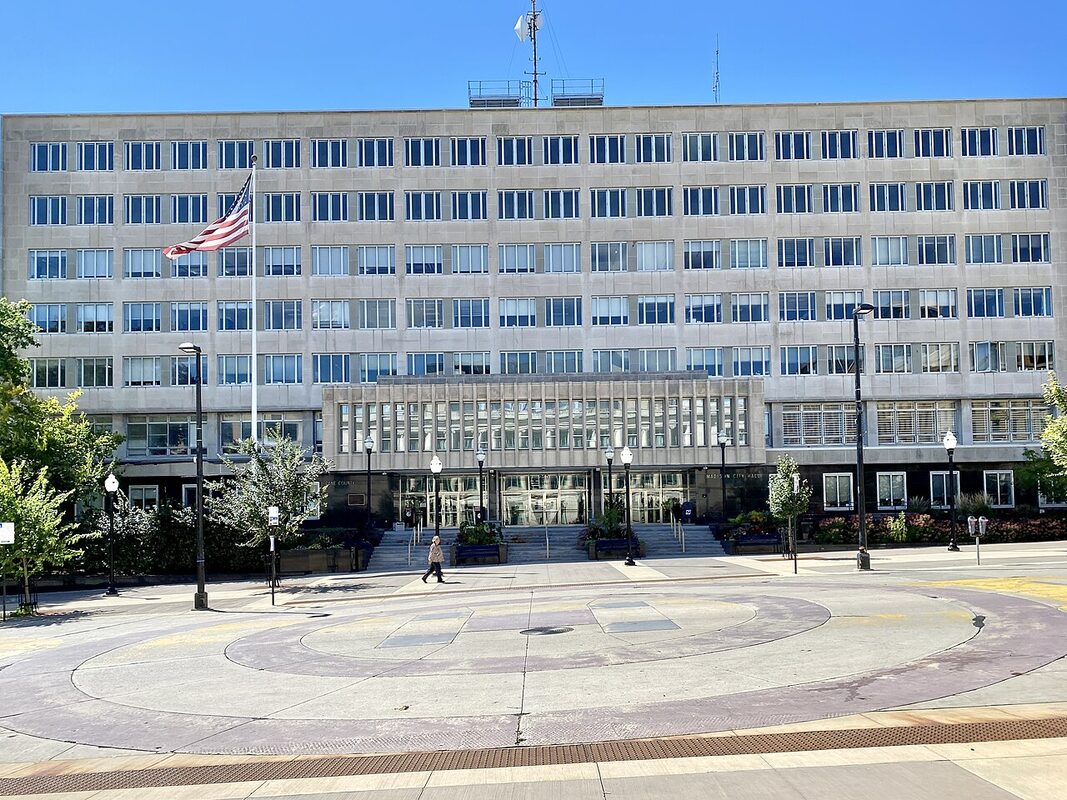
The City of Madison, Wis., plans to replace its temporary pause on data center approvals with new zoning rules. Under them, hyperscale facilities could not be built anywhere in the city, and no new data center could exceed 75,000 square feet.
The Mayor's Office announced the proposed ordinance on Nov. 20 and said it will be introduced to the Common Council on Nov. 24, 2026. The city's one-year moratorium on data center zoning approvals is set to expire on Jan. 24, 2027. The city says that if the moratorium expired without new regulations approved by the council, its current zoning code "would not be able to regulate the size or location of modern data centers."
The city also says there are currently no active proposals for a new data center in Madison and that no applications have been submitted.
Why the City Is Acting Now
Madison's zoning code was not written with data centers in mind. According to the city's data center moratorium page, the code has no definition of a data center. Such facilities have historically fallen under the "telecommunications centers" use. As WPR reported in January, zoning staff told the Plan Commission that the rules for telecommunications centers are not tailored to the specific demands of modern data centers.
The moratorium ordinance, Legistar file 91135 (enactment number ORD-26-00002), created Section 28.140 of the Madison General Ordinances. It paused the consideration and issuance of zoning certificates for data centers and telecommunications centers larger than 10,000 square feet of floor area. The drafter's analysis in the Legistar file states that Chapter 28 contains no definition of or standards for data centers as a use category, and that a moratorium would give the city time to set rules for the new use. The fiscal note says the policy goal was to let city agencies research these facilities, including their long-term fiscal impacts.
The Plan Commission recommended adoption after a public hearing on Jan. 12, 2026. The Common Council adopted the moratorium unanimously the next day, Jan. 13, and the Legistar record lists an enactment date of Jan. 24, 2026. WKOW reported that council members said the pause would give them time to study the impacts of data centers and develop policy recommendations. Listed sponsors include Mayor Satya Rhodes-Conway and Alders Tag Evers and Derek Field.
The release says the moratorium can't be the long-term answer. "Legally, the moratorium cannot be extended indefinitely to prevent data center development or to wait for other entities to put their own regulations into place," it states. The city also acknowledges that state law limits what Wisconsin municipalities can do to regulate data centers. It says it can instead use its authority over land use and zoning.
"With this proposal, the City is effectively exercising its authority, and I strongly urge State lawmakers to enact sensible data center regulation so local communities have additional tools to protect residents," Rhodes-Conway said in the release.
What the Ordinance Would Do
The release describes several layers of restriction. Each figure below is as the city stated it.
- Hyperscale ban. A total ban on hyperscale data centers.
- Campus ban. Lots hosting data centers over 10,000 square feet would have to be at least 1,000 feet apart, and the total size of data center buildings on each lot would be capped. The city describes this as a total ban on data center campuses.
- Residential exclusion. No data centers of any size in residential zones.
- Size cap. A hard maximum of 75,000 square feet for any new data center, with tight limits on where facilities larger than 50,000 square feet can operate.
- Noise plan. Developers of any new data center larger than 10,000 square feet would have to submit a Noise Mitigation Plan showing compliance with the city's noise ordinances before they could start building.
- Equipment enclosures. External mechanical equipment and backup generators at data centers larger than 10,000 square feet would have to be surrounded by solid walls.
- Ground floors. Data centers would be barred from the ground floor of buildings in most of the city.
A separate ordinance would raise fines for violations of the city's noise code.
Where each size could locate
The proposal sorts facilities into size tiers, each tied to particular zoning districts:
- 50,000 to 75,000 sq ft: only in areas that allow industrial-type uses, and only if at least 500 feet from residential, mixed-use or commercial districts and 300 feet from other non-industrial districts. The city's moratorium page names the industrial districts as Industrial-Limited, Industrial-General and Airport.
- 10,000 to 50,000 sq ft: limited to employment and campus institutional districts.
- 10,000 sq ft or less: limited to certain business and commercial areas.
The city says these rules would allow only "similar types of computing and data facilities that have already been operating in our community for years with no history of complaints." According to the moratorium page, staff believe the size and location limits would keep noise from 50,000-to-75,000-square-foot facilities no greater than from similarly sized facilities that already exist in Madison.
How the Draft Changed
The rules the city will introduce are stricter than the framework it described earlier in the moratorium. Channel 3000 reported on that preliminary version on Sept. 30. It had small, medium and large categories, capped buildings at 100,000 square feet, kept large facilities to industrial areas, required 1,000 feet between medium and large facilities, and included noise mitigation. Channel 3000 reported that the ordinance was expected to be introduced in November, with a final vote anticipated in January.
According to the city's moratorium page, the draft changed after community feedback in three ways:
- The maximum size dropped from 100,000 to 75,000 square feet.
- The required distance between 50,000-to-75,000-square-foot facilities and residential areas rose from 300 to 500 feet.
- A new 300-foot buffer from other non-industrial areas was added.
The city's release says the restrictions resulted from "months of research by City staff and extensive feedback from the community over the course of the moratorium." It points readers to a staff memo in the Legistar file for the full detail. The city's moratorium page adds that the proposed rules may change if policymakers approve amendments during the legislative process.
What Happens Next
According to the city, there will be no Common Council discussion when the ordinance is introduced on Nov. 24, 2026. It will be referred to city boards, commissions and committees. Each will take public comment, may propose changes, and will vote on a recommendation before the ordinance returns to the council for public comment and debate. The city lists this schedule:
- Nov. 30, 2026: Plan Commission (first review)
- Dec. 16, 2026: Business and Economic Resources Committee
- Dec. 21, 2026: Sustainable Madison Committee
- Jan. 11, 2027: Plan Commission (second review)
- Jan. 12, 2027: Common Council
The council meeting on Jan. 12 falls 12 days before the moratorium is set to expire on Jan. 24, 2027. The city says residents do not have to attend meetings to comment, because each committee will also accept written comments.
Sources
- City of Madison Mayor's Office: Proposed Ordinance to Ban Hyperscale Data Centers (Nov. 20, 2026)
- City of Madison: Temporary Data Center Moratorium and Proposed Restrictions
- City of Madison Legistar File 91135: Moratorium on Zoning Certificates for Data & Telecommunication Centers (ORD-26-00002)
- Channel 3000: Madison considers where data centers could be built
- WKOW: Madison alders approve one-year data center moratorium
- WPR: Should Madison hit pause on data centers? Residents to weigh in.