The U.S. Army has opened a new round of long-term land leases at nine installations, and it is setting a condition for data center developers: bring your own power. According to a Nov. 26 summary of the solicitation published by Data Phoenix, the Army will consider data center proposals only if they include a commercial power generation facility on the leased land.
The round sits alongside two earlier Army leasing efforts. One offered Army land to data center developers. The other offered sites for commercial power plants meant to provide backup power to bases. Under the new terms, as Data Phoenix describes them, a data center bid has to include generation as well.
A note on sourcing: DataCenterFeed could not get the solicitation documents themselves. The terms below come from Data Phoenix's account of those documents. None of the sources we read names the nine installations.
What the Solicitation Asks For
Data Phoenix reports that the Army wants proposals for long-term leases at nine installations. It gives preference to bids that pair a generation facility with a data center but will also accept bids for generation alone. A data center without its own generation will not be considered.
The main obligation is resilience for the host base. According to Data Phoenix's summary, developers must deliver backup electricity to the installation within one hour of a grid outage and keep it flowing for at least 14 consecutive days.
That backup power has a financial role too. Data Phoenix reports that backup electricity supplied to the installation counts toward rent, and that rent must at least equal the fair market value of the lease interest as appraised by the Army. In other words, a developer can pay part of its lease in kind, by supplying backup power to the base, as long as the rent meets the appraised value.
Other terms reported by Data Phoenix:
- Term: an initial lease of 25 years, with renewal options that bidders offer and the Army may consider.
- Eligibility: bidders must be organized under U.S. law, have majority domestic ownership and control, and have a physical place of business in the United States.
- Evaluation: the solicitation identifies the project description and plan, financial capability, organizational structure and track record, and proposed rent as evaluation factors.
- Sequence: the selected bidder first enters into a term sheet that sets milestones for permitting, financing and design, and the Army and bidder execute the lease after those milestones are met.
Data Phoenix also reports that the Army's first amendment to the solicitation replaces three site attachments. The summary does not say which sites those attachments cover.
How This Differs From the First Data Center Round
The Army's first data center leasing effort, as described in the coverage we read, did not make on-site generation a condition. As DefenseScoop reported in February, that request for proposals covered four installations: Fort Hood and Fort Bliss in Texas, Fort Bragg in North Carolina, and Dugway Proving Ground in Utah. DefenseScoop described 50-year terms. An Army spokesperson told DefenseScoop it would be the first Enhanced Use Lease for data centers on Army installations. That solicitation also asked offerors to describe their local outreach, including how they would assess local sentiment and any risks or opposition.
That round has since produced conditional selections. In a March 26 Army announcement (Wayback Machine snapshot), the service said it had conditionally selected Carlyle for a project on about 1,384 acres at Fort Bliss and CyrusOne, which the Army described as a portfolio company jointly held by funds managed by KKR and BlackRock, for a project on approximately 1,201 acres at Dugway. Both selections are to enter exclusive negotiations. The Army said the companies would be responsible for financing, building and operating the data centers at no upfront cost to taxpayers, under the authority of 10 U.S.C. 2667. It projected initial operating capability in fiscal 2027 at Fort Bliss and fiscal 2029 at Dugway, and said the deal is not yet final.
Based on the two summaries, the new round's 25-year initial term is half the 50-year term DefenseScoop reported for the first data center solicitation.
The Power-Generation Track
The Army's separate effort to put commercial generation on its bases has also reached conditional awards. In a Sept. 18 Army release on those awards (Wayback Machine snapshot), the service named three companies:
- Ameresco: Aberdeen Proving Ground, Maryland, and Picatinny Arsenal, New Jersey.
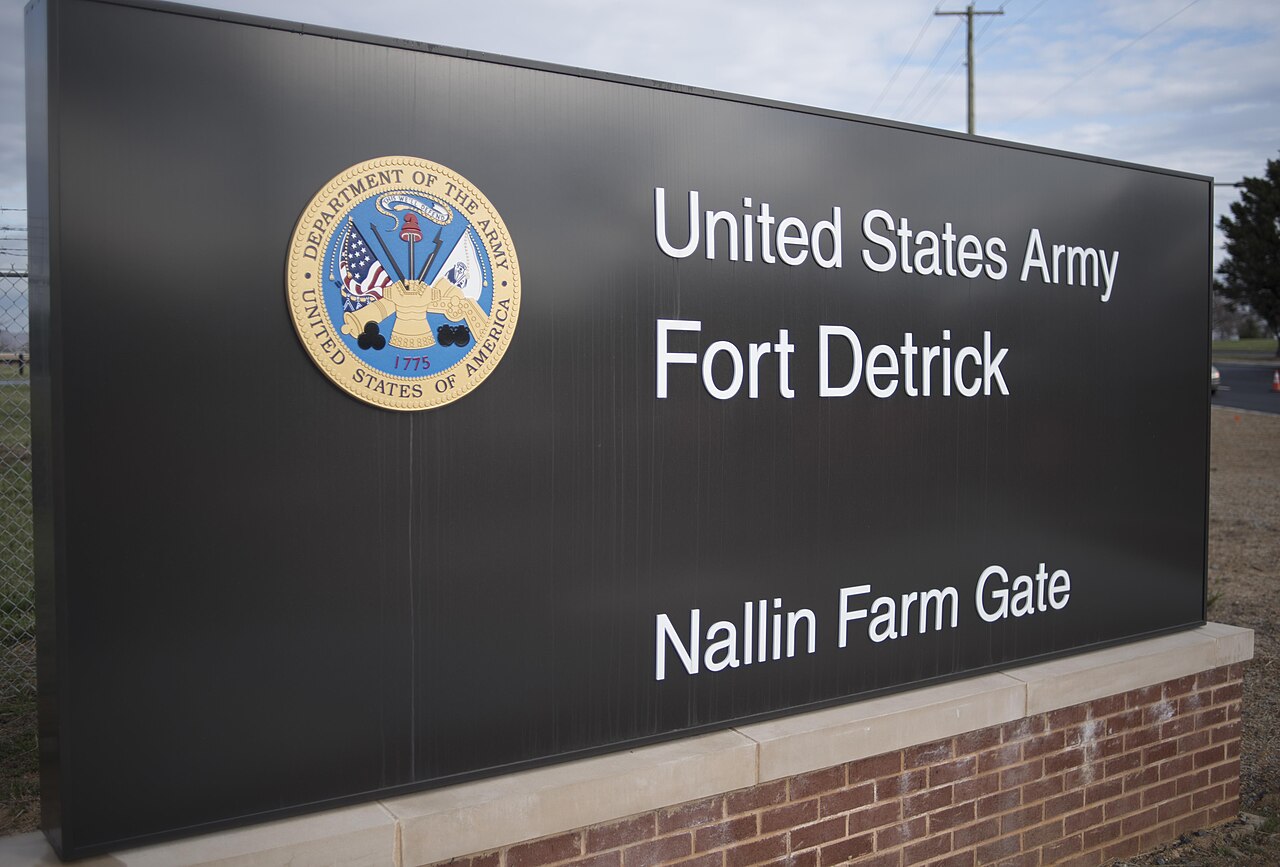
- Indelible-Bloom: Fort Detrick, Maryland; Letterkenny Army Depot, Pennsylvania; and West Point, New York.
- Frontier Power USA: Tobyhanna Army Depot, Pennsylvania.
The Army said the projects include a potential mix of battery energy storage, natural gas and nuclear generation. It said formal leases are in their initial stages, that development is slated to begin as early as 2027, and that initial operating capability is targeted by or ahead of 2030.
The new solicitation draws on both tracks. Under the first data center round, the Army offered land for computing capacity. Under the power round, it offered land for generation that could provide backup power to bases. A data center developer in the nine-site round, as Data Phoenix describes it, would have to include generation on the same lease and supply backup power to the host base.
Questions Readers May Have
Which bases are included? None of the sources DataCenterFeed reviewed names the nine installations. We have not assumed that any base from the earlier rounds is part of this one.
What kind of generation qualifies? Data Phoenix's summary requires a "commercial power generation facility" but does not say whether any technologies are favored or excluded. The Army's earlier power-generation awards involve a potential mix of battery energy storage, natural gas and nuclear.
How large can the data centers be? The summary we read gives no megawatt, acreage or square-footage limits for the nine sites.
Is anything approved yet? No. Proposals are not yet due. Even after a selection, Data Phoenix reports that a term sheet with permitting, financing and design milestones comes before the lease is executed. The Army has also said its earlier data center selections at Fort Bliss and Dugway are not yet final.
What Happens Next
According to Data Phoenix's summary of the solicitation, questions submitted after 5 p.m. EST on Jan. 6, 2027, may go unanswered, and proposals are due by 5 p.m. EST on Jan. 18, 2027. After the Army selects a bidder, that bidder enters into a term sheet with permitting, financing and design milestones, and the lease is executed once they are met.
The earlier selections are on their own schedules. The Army projects initial operating capability in fiscal 2027 at Fort Bliss and fiscal 2029 at Dugway, and has said those deals are not yet final. For the three power-generation awardees, it said development is slated to begin as early as 2027.
Sources
- Data Phoenix: U.S. Army requires power generation for data center bids at nine sites (Nov. 26, 2026)
- U.S. Army: Army reaches conditional agreement with private industry for hyperscaled data centers (Wayback Machine snapshot, Oct. 7, 2026)
- U.S. Army: Army announces conditional lease solicitation awards for commercial power generation (Wayback Machine snapshot, Sept. 25, 2026)
- DefenseScoop: Army looks to lease out land on 4 military installations for new commercial data centers