
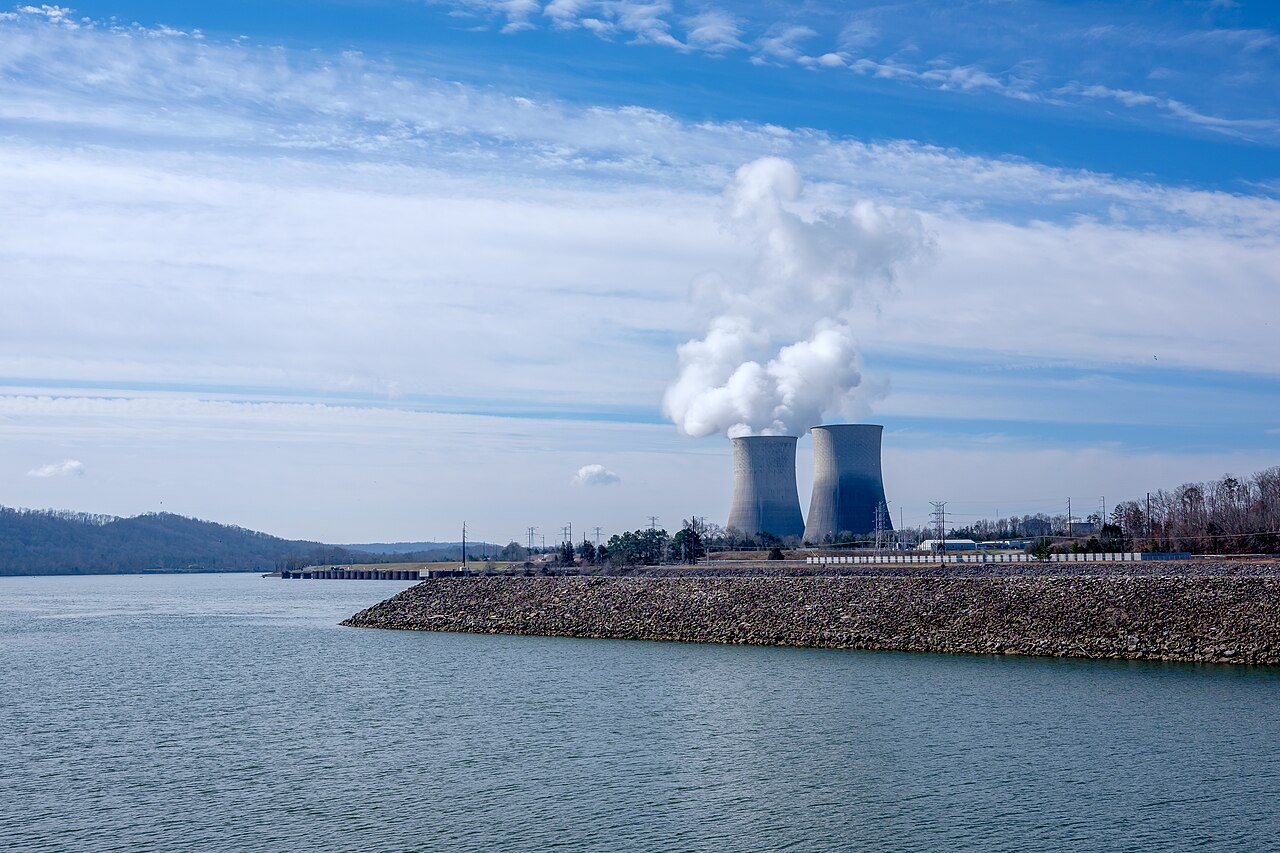
Constellation Energy has a new kind of contract for large power buyers. The company calls it Peak+ and describes it as pairing existing nuclear generation with new capacity resources. In its third-quarter 2026 results, released Nov. 9, Constellation said it had signed a 20-year, 270-megawatt agreement for "energy, capacity and nuclear attributes" through the product. The release says the energy, capacity and attributes come from Constellation's existing nuclear fleet and are set to begin in 2028. Utility Dive reported that Dominguez declined to identify the customer.
In the earnings release filed with the Securities and Exchange Commission, the company describes Peak+ as "an integrated customer solution that combines new capacity to support peak demand growth with energy products." On Monday's investor call, CEO Joe Dominguez put it more briefly: "capacity solutions plus existing clean and reliable generation," Utility Dive reported.
Utility Dive describes Peak+ as a bilateral contract aimed at hyperscalers and other large power consumers, offered as an alternative to new gas-fired generation. For data center developers, utilities and grid planners, it is another structure to watch alongside contracts for existing reactor output and commitments to build new generation.
What Peak+ is, according to Constellation
The company's materials and Utility Dive's report of the call describe two parts:
- Existing nuclear output. The first agreement covers unit-contingent energy, capacity and attributes from Constellation's existing nuclear fleet. Utility Dive puts that fleet at about 55 GW in total, including about 22 GW of nuclear.
- New capacity. Constellation describes Peak+ as bringing new capacity to support peak demand growth. Utility Dive reports these can include batteries, new generation and demand response.
Dominguez said Constellation could add batteries and generation supply at its plants given the land it owns around them. The release does not give the mix of resources behind the first 270-MW agreement. It also does not say which grid region the customer is in.
How Constellation says the price compares
The pricing claim got the most attention. According to Utility Dive, an investor slide priced Peak+ at $20 to $50 per megawatt-hour above the federal nuclear production tax credit (PTC) "floor." The same slide put that below the $110 to $130/MWh levelized cost of a new combined-cycle gas plant in eastern PJM by 2032. Constellation's comparison assumes a gas plant construction cost of $3,000 per kilowatt.
The "floor" refers to how the nuclear PTC works. Utility Dive reports that, according to Constellation, the credit pays nuclear units up to $15/MWh when revenues fall between $26 and $44.75/MWh. Constellation's slide prices Peak+ as a premium above that floor.
The comparison has limits. The gas figure is Constellation's own estimate of a future levelized cost, built on its own assumption about construction costs. The Peak+ range is a range, not the price in any signed contract. The company has not disclosed the terms of the 270-MW deal. Neither source says whether customers outside PJM would see different pricing.
Where the deal fits in Constellation's contract book
Peak+ joins a string of long-term deals with large technology buyers. The quarterly release lists several:
- A 20-year, 690-MW power purchase agreement with Amazon at the Calvert Cliffs nuclear plant supporting the company's Calvert Cliffs Clean Energy Center, announced in September 2026.
- A collaboration with Google, listed among the quarter's highlights on Constellation's newsroom.
- A conditional commitment from the U.S. Department of Energy for a loan of up to $5 billion for nuclear uprates, which are projects that raise the output of existing reactors.
Utility Dive reported that Constellation has more than 1 GW of expansions backed by hyperscalers, including 890 MW tied to Google and 190 MW tied to Amazon. In the release, Dominguez said the agreements add more than 1,000 MW of new emissions-free generation, and that the new megawatts are "coming online with no costs being borne by existing customers." The release attributes that statement to Dominguez.
The release attributes that statement to Dominguez. The sources do not include any regulator's or ratepayer advocate's assessment of that claim.
A gas plant purchase in New England
In the same release, Constellation said it agreed to buy the Rhode Island State Energy Center (RISEC) from Shell Energy North America for $715 million. RISEC is a 609-MW natural gas combined-cycle plant in the ISO New England market. The deal is subject to regulatory approvals.
The release does not tie RISEC to Peak+ or to any customer contract. Utility Dive reports that Constellation said the plant will run on a merchant basis.
The quarter's numbers
Constellation reported third-quarter GAAP earnings of $5.19 per share and adjusted operating earnings of $5.06 per share, compared with $3.04 per share of adjusted operating earnings in the third quarter of 2025, according to the release. The company raised its full-year adjusted operating earnings guidance to a range of $12.50 to $12.80 per share.
Crane restart status
According to Utility Dive, Dominguez said the planned restart at the site formerly known as Three Mile Island, now renamed the Crane Clean Energy Center, is on track for the second half of 2027, with the first fuel assemblies and transformers on site.
What Happens Next
Based on the sources, the next on-the-record steps are:
- RISEC acquisition: The $715 million purchase of the 609-MW plant still needs regulatory approval before it can close, according to the release. The release does not give a closing date.
- Crane restart: Per Utility Dive, Dominguez said the restart is on track for the second half of 2027.
- DOE loan: The up-to-$5 billion DOE commitment for uprates is conditional. The release does not give a date for a final loan agreement.
- Peak+: The first customer remains undisclosed, and the 270-MW agreement is set to begin in 2028, according to the release.
