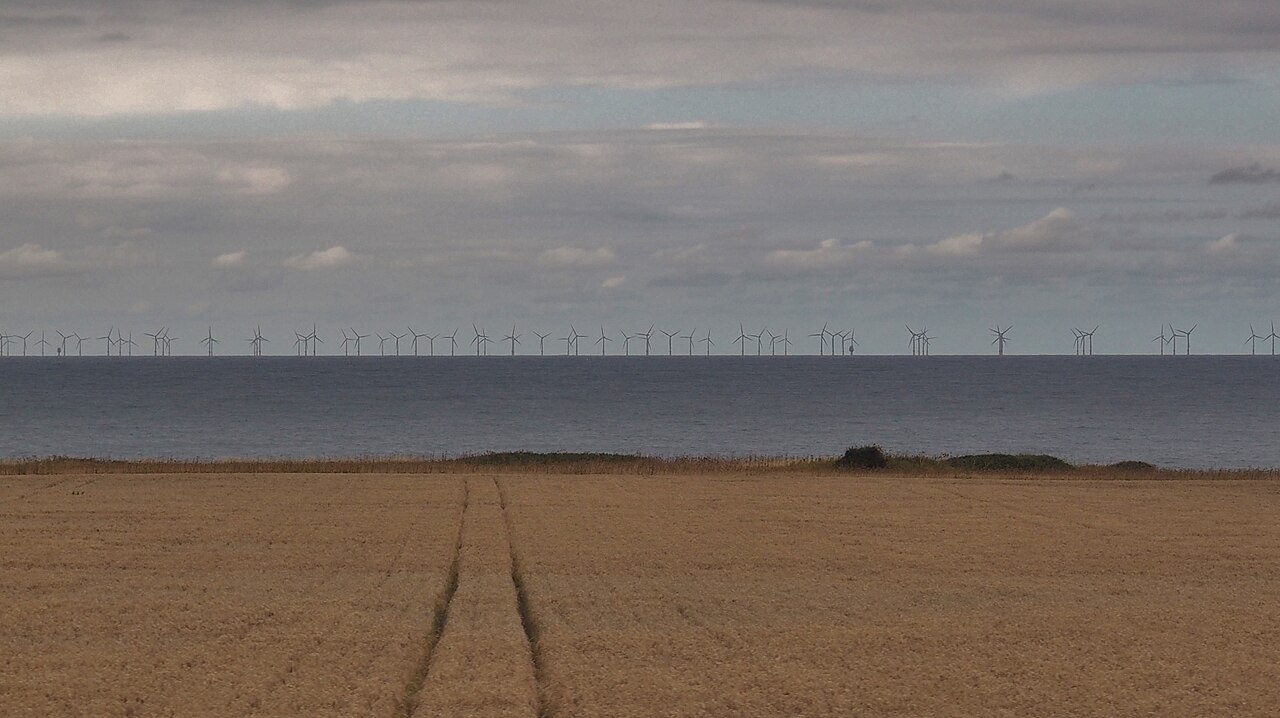
Datlantis, a Stockholm-based startup, says it has finished its first at-sea tests of underwater data center prototypes and is preparing a pilot. The company's design pairs underwater computing modules with offshore wind farms. According to BeBeez International, which reported the news on Nov. 27, 2026, the prototypes can be "deployed and recovered on-demand in just a few minutes."
The announcement leaves out most of what engineers, investors or coastal regulators would need to judge it. According to BeBeez and Data Phoenix, Datlantis has not said where the tests took place or exactly when. It has not said whether the prototypes carried servers or ran workloads, and the sources report no cooling data. It has not named a pilot site or a start date. This article covers what the company has said on the record, what its marketing claims, and what is still unknown.
What Datlantis Says It Tested
The company's account of the trials, as relayed by BeBeez, comes from a LinkedIn post by CEO Miguel Marques, along with a video of the test. BeBeez describes Marques as a marine engineer with a background in offshore wind. In the post, he said the company validated its high-density cooling system and flexible maintenance operations in a real environment, "even under changing currents and tides."
Marques also said the team looked at the thermal impact of the data center on surrounding waters and how its operations interact with marine life, according to BeBeez. Neither BeBeez nor Data Phoenix reports the results of that analysis, the methods behind it, or the size of any temperature change.
Data Phoenix also covered the announcement on Nov. 27. It said the disclosure gave no exact trial dates or location, no cooling measurements and no independent trial data. It also gave no details on whether the prototypes carried servers, ran computing workloads or drew power from offshore wind. That last point matters, because the company's pitch depends on pairing the modules with offshore wind power. Nothing in the sources shows that the two have run together.
How the Design Is Supposed to Work
Data Phoenix and the company website describe an architecture with three parts:
- Submerged modules. Computing hardware is housed in underwater modules, and the surrounding seawater is used for cooling.
- Offshore power. The design pairs the modules with offshore wind installations. The company website describes this pairing with the line "Powered Offshore. Cooled Underwater."
- Robotic recovery. A robotic system retrieves individual modules for servicing or upgrades while the rest of the data center stays online. The website says this enables independent module maintenance.
The recovery system is how Datlantis addresses maintenance, a question any underwater design has to answer. In the company's design, an individual module is brought up and serviced without taking the rest of the installation offline. Marques said the tests validated the cooling system and maintenance operations. Separately, the company says the prototypes can be deployed and recovered in a few minutes, a statement BeBeez relays without independent measurements.
The Company's Claims, Attributed
The Datlantis website makes several performance and market claims. None has been independently verified, and none was supported with data in the test announcement:
- Cooling capacity of up to 1 MW per rack.
- A "Tier IV target reliability standard." This is a design goal the company states. It is not a certification.
- Up to 9 years faster time to power.
- Up to EUR 100 billion in revenue "unlocked." The site does not explain how it arrived at this figure.
The website places these claims against several industry figures, also presented as the company's own statements. It says cooling systems consume 30-40 percent of data center electricity. It says grid connections in Central Europe can take 7-11 years. It says AI racks already exceed 200 kW, and that Google is preparing for 1 MW racks by 2030. Datlantis's argument is that integrating AI infrastructure with offshore energy farms reduces dependence on congested onshore grids, and that the ocean's natural cooling capacity can support next-generation AI racks.
The claim of 1 MW per rack stands out. It is five times the 200 kW rack figure the company itself cites, and it equals the rack density the site attributes to Google's 2030 plans. The sources report no measurements showing the prototypes came close to that level. The claim of up to nine years faster time to power is also unexplained on the site: it does not say what baseline it compares against.
Where This Sits in the Field
Datlantis is not the only company trying to move computing into or onto the water. BeBeez's report notes that RuVDS has announced it is testing a floating data center to support a scientific expedition to Antarctica, and that HiCloud claims to have an operational underwater unit attached to a turbine off the coast of China. BeBeez also says Aikido and Exascale Labs have proposed offshore wind-powered data centers. Those projects differ in setting and purpose, and the sources cited here do not compare their performance with Datlantis's design.
The company's pitch is aimed at one specific problem it describes: the long wait for grid connections. The website says integrating AI infrastructure with offshore energy farms reduces dependence on congested onshore grids. That remains a proposal. Whether it works at commercial scale depends on information the sources do not provide, including actual power draw, cooling performance, the environmental findings Marques refers to, and the regulatory path in whatever waters the pilot uses.
Open Questions
Was there compute on board? BeBeez reports the company did not disclose whether any compute was on board. Data Phoenix reported no detail on whether the prototypes carried servers or ran workloads, so the tests may have checked the enclosures, cooling system and recovery operations rather than computing performance.
Where were the tests held? Not disclosed, according to both BeBeez and Data Phoenix.
What did the cooling tests show? Marques said the high-density cooling system was validated. Data Phoenix reports no cooling measurements were included.
What about marine impact? Marques said the team analyzed thermal effects on surrounding waters and interactions with marine life. The sources do not report findings.
Was offshore wind involved? Data Phoenix reported no detail on whether the prototypes drew power from offshore wind.
What Happens Next
Marques said Datlantis is preparing its first pilot, "coming soon," in which it is offering high-density IT infrastructure in several locations across Europe, according to BeBeez. Data Phoenix reported that Marques named no site or start date for the pilot. The sources report no permit filing, regulatory hearing, customer agreement or construction milestone. Until the company names a site and date, or publishes test data, there is no scheduled, on-the-record next step to report.