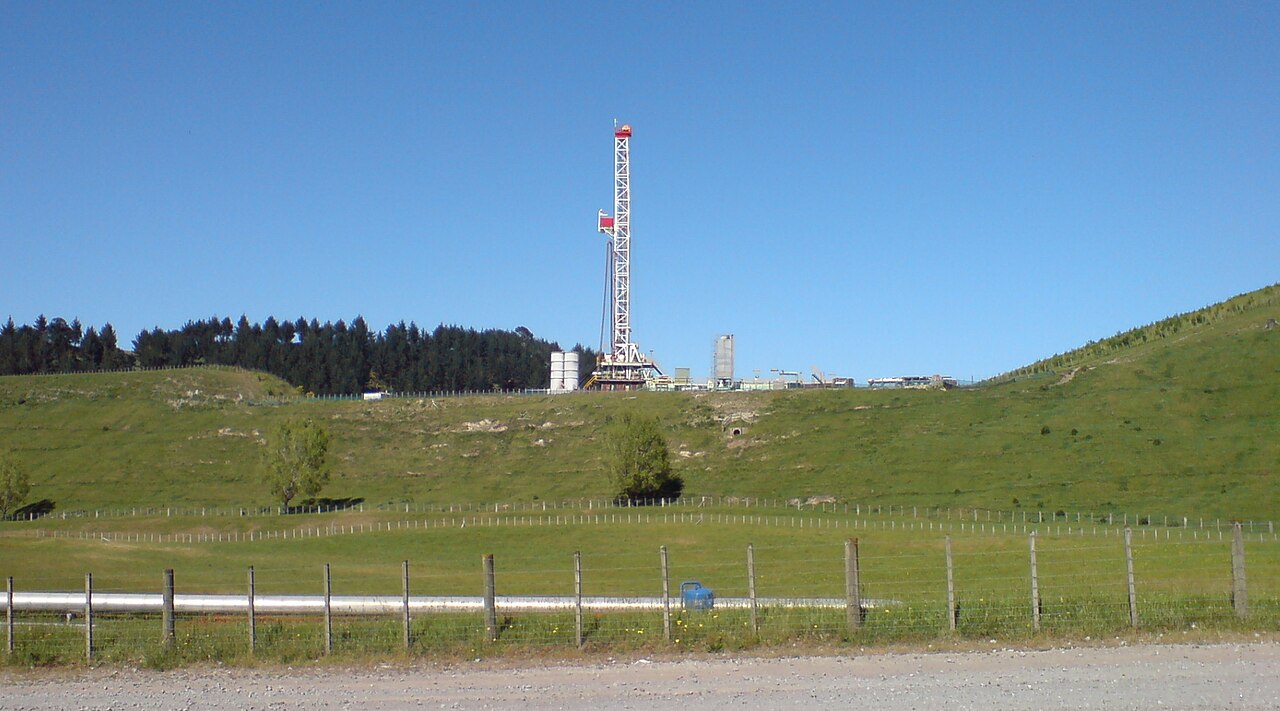
Google has agreed to buy 50 MW of geothermal power from Quaise Energy's Project Obsidian in Central Oregon. The power is slated to support Google's existing data center operations in The Dalles, Ore., beginning as early as 2030, according to a Quaise press release issued Nov. 17.
A Quaise spokesperson told Utility Dive that the deal is valued at more than $500 million and that the two-stage buildout behind it is expected to cost about $350 million. The sources reviewed do not give the contract price per megawatt-hour or the length of the term.
The deal is unusual less for its size than for its technology. Quaise is pursuing "superhot" geothermal, which means drilling far deeper than conventional geothermal wells to reach rock hot enough to deliver much more energy per well. Under the plan Quaise describes, the second phase of Project Obsidian is expected to be the first in the world to use the millimeter-wave drilling method the company has been developing.
What Google is buying
According to Quaise, Google will purchase 50 MW from Project Obsidian to support its existing data center operations in The Dalles. The power is for campuses Google already runs, not a new facility. Quaise said Google signed more than 240 agreements for nearly 35 GW of new clean energy between 2010 and 2025. Both Quaise and Utility Dive report that Google's three Oregon data center campuses run on 83% carbon-free energy.
Google brought the agreement up again two days later. In a Nov. 19 blog post marking 20 years since it opened its first owned and operated data center in The Dalles in 2006, Google cited the 50-MW superhot geothermal deal with Quaise alongside a 100-MW wind agreement with Avangrid as support for the carbon-free energy share of its The Dalles data centers. The post, written by Community Development Manager Katy Bowman, did not give a delivery date or location for the Avangrid wind supply.
How the two phases differ
Quaise says Project Obsidian will be built in two phases, and the phases depend on different technologies.
Phase one: conventional drilling. According to the press release, the initial phase of development will use conventional drilling technology to access superhot geothermal conditions at commercial scale.
Phase two: millimeter-wave drilling. Quaise says the second phase is expected to be the first in the world to use millimeter-wave drilling. Utility Dive describes the method as designed to ablate rock without mechanical contact, rather than grinding through it with a bit. Utility Dive reports, citing a Quaise executive, that the company is designing wells to reach depths of up to 65,000 feet, where rock temperatures can exceed 932 degrees Fahrenheit. The same executive told the publication that superhot wells can produce up to 10 times as much power per well as what is currently in play; the Quaise press release makes a similar claim against traditional geothermal systems.
Each phase carries different technology risk. The first uses conventional drilling technology. The second relies on a method that, by Quaise's own account, is expected to be used commercially for the first time at this project.
Where the drilling technology stands
Quaise's reported test results so far are much smaller than the depths in the project design. According to Utility Dive, which cited Quaise's 2025 year-end update, the company had drilled 118 meters through granite at its central Texas test site and is working toward a depth of 1 kilometer. That is far short of the 65,000-foot (about 20-kilometer) design depth Quaise describes for its wells.
The press release includes a statement from Quaise CEO Carlos Araque. The sources reviewed do not say what happens to Google's 50 MW if the second phase is delayed, or how much of the 50 MW each phase is expected to supply.
The Dalles in context
Google's anniversary post puts the geothermal deal in a broader account of the company's presence in Oregon. Google says it has invested more than $7 billion in the state. It also said it is launching a $10 million Energy Impact Fund, with the first grant going to Energy Trust of Oregon, and a "20 for 20" program that will award $20,000 grants to 20 organizations across Wasco County throughout 2027.
Water use is also a concern for communities near data centers, and the post addressed it. Google says it has spent more than $38 million on local water infrastructure and replenishment projects in the last three years, including $28 million for water and sewer infrastructure and an aquifer storage and recovery system, and that it recirculates cooling water at least 10 times before it leaves its facilities. The post did not state how much water the campuses consume each year.
The 50 MW Google is buying from Quaise is modest next to the nearly 35 GW of clean energy agreements Quaise says Google signed from 2010 to 2025. Quaise and Utility Dive both describe the power as firm or always-on and carbon-free. Unlike wind and solar, geothermal plants do not depend on the weather, which makes them a closer match to data centers that draw power around the clock.
What remains undisclosed
- Price and term: Quaise's spokesperson gave Utility Dive a deal value of more than $500 million. The sources reviewed do not give a per-megawatt-hour price or the length of the contract.
- Phase sizing and timing: The sources do not say how the 50 MW is divided between the two phases or when the second phase would begin.
- Buildout cost: Utility Dive reports the two-stage buildout is expected to cost about $350 million; the sources do not describe how the project will be financed.
- Grid delivery: The sources do not explain how power from Central Oregon will reach Google's operations in The Dalles. Quaise says grid upgrades associated with the project will strengthen reliability for local consumers.
What Happens Next
According to Quaise's press release, Google is slated to begin purchasing power from Project Obsidian as early as 2030. Quaise told Utility Dive, through its year-end update, that it is working toward 1 kilometer of drilling depth at its Texas test site, where it has reached 118 meters through granite. In The Dalles, Google says it will award its 20 for 20 grants throughout 2027 and is launching the $10 million Energy Impact Fund.