Google and Ohio Power Company, the American Electric Power subsidiary that serves Central Ohio, have filed a joint proposal with the Public Utilities Commission of Ohio (PUCO). Under the proposal, Google would pay the added cost of putting higher-capacity conductors on a transmission line project the utility already plans to build in Columbus. The companies announced the filing on Nov. 19.
According to Google's announcement, the proposal covers 15.5 miles of upgrades to aging transmission lines in Columbus. Google says the $10.8 million incremental cost "would be funded completely by Google." The companies describe the arrangement as "a first-of-its-kind, voluntary corporate-funded deployment of advanced transmission technologies." No regulator has approved it yet. Google says the project is expected to be in service by late 2028, pending approval from the PUCO and the Ohio Power Siting Board.
What the Filing Proposes
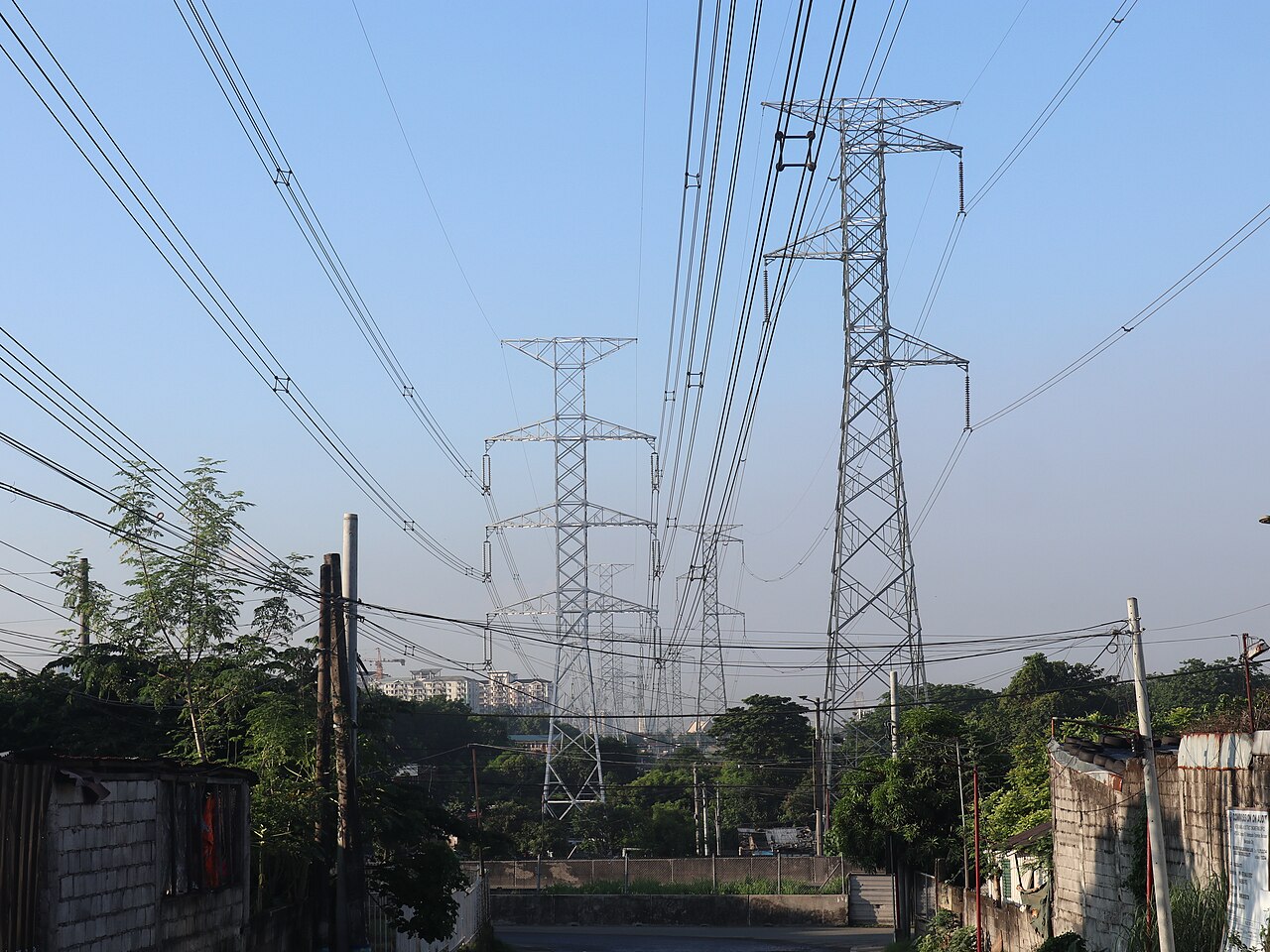
The basic idea is to change the wire, not the route. Google's release describes advanced conductors as "modern, higher-capacity power lines," and says that "by replacing 50-year-old wires with more efficient technology, utilities can move significantly more electricity through infrastructure that is already in place." Ohio Power would still build the line project it already had planned. Google describes its payment as the extra cost of using advanced conductors on that planned project.
The companies point to two capacity effects, which come in two stages:
- Near term: Once installed, the upgrades would let 24 megawatts of capacity that Google has already contracted for be delivered "about two years early," according to the release.
- Longer term: After the planned 765-kilovolt transmission buildout in Central Ohio is finished, the upgraded lines "are expected to unlock more than 700 MW of additional capacity to serve growing demand that can be served on that corridor," the release states.
The release presents the 700-plus MW figure as an expectation that depends on that separate 765-kV buildout. It does not say who would use the additional corridor capacity,.
Google also says the project "will cut energy lost on the lines and slightly reduce the transmission costs other customers pay." The release gives no dollar figure for those customer savings. DataCenterFeed could not read the PUCO docket, so the cost-allocation details in the filing itself have not been independently checked.
How the Companies Describe the Model
The release calls the arrangement a "transmission participation agreement." It frames it as a template for large energy users, including data centers, "to pay the extra cost of using advanced, higher capacity conductors on a power line project the utility already has planned."
"Google has a long history of pioneering frameworks for corporate energy buyers to bring new forms of energy generation onto the grid," said Amanda Peterson Corio, Google's global head of energy and power. "This transmission participation agreement with Ohio Power Company represents a new way for data centers to help expand transmission capacity years faster, while lowering costs for local consumers and improving grid reliability."
Marc Reitter, Ohio Power Company president and chief operating officer, said: "By combining Google-funded transmission technology with our planned grid investments, we are unlocking more future corridor capacity for Central Ohio and passing the savings directly on to our customers."
Google says the Columbus proposal is part of its wider effort to identify grid-enhancing projects across the U.S. The release names no other utilities or locations.
Workforce and Supply-Chain Funding
Separately from the $10.8 million conductor cost, Google says it is providing $1 million in funding for three workforce and supply-chain efforts:
- Ohio lineman training: expanding lineman training and apprenticeship resources in Ohio.
- Advanced conductor installation curriculum: working with hardware vendors and national training partners to develop a hands-on installation training curriculum for utility lineworkers nationwide.
- Manufacturing apprenticeships: supporting employer-driven apprenticeship pathways, regional sector partnerships and technical upskilling in Ohio's advanced manufacturing workforce, with the stated goal of easing domestic grid hardware supply-chain bottlenecks.
The release does not say how the $1 million will be divided among the three efforts.
Context: Ohio's Data Center Transmission Buildout
Google says it has invested more than $20 billion in Ohio since 2019 and supports more than 3,000 direct and supplier jobs in the state, as of 2025. Ohio Power, based in Gahanna, says it serves 1.5 million customers across 61 counties.
The Columbus proposal comes as Ohio Power's parent company works on other large, data-center-related transmission projects in the state. In its third-quarter 2026 Form 10-Q, AEP describes the Piketon Transmission Project: three 765-kV lines to be built by its Ohio transmission subsidiary to support a proposed 10.4-gigawatt data center campus in Piketon, Ohio. AEP says the agreements set a project budget of approximately $5 billion and says the project needs approvals from PJM, the PUCO and the Federal Energy Regulatory Commission. That is a different project from the Columbus reconductoring proposal. The Google release does not say which planned 765-kV lines its 700 MW figure depends on, beyond calling them "the planned 765-kilovolt transmission buildout in Central Ohio."
The filing also arrives amid wider debate over who pays for grid expansion driven by data centers. The Mission Critical Connections news roundup for Nov. 19–22 listed the Google–Ohio Power deal next to two related items: a PJM plan to cut interconnection times to 12 months, and a Senate-passed bill requiring data centers to pay more for grid infrastructure.
What Happens Next
The proposal now goes to Ohio regulators. Google's release says the Columbus transmission upgrade is expected to be in service by late 2028, "pending approval from the PUCO and the Ohio Power Siting Board." The release does not list a hearing date or comment deadline. Anyone tracking the case would need to follow the PUCO docket and the Ohio Power Siting Board's review of the line work for scheduling.